Enrollment is closed
The Academy of Inner Science & Mobius Executive Leadership present:
Foundations of Trauma-Informed Coaching & Consulting
with Thomas Hübl, PhD and Amy Elizabeth Fox
A live online training for coaches, consultants, group facilitators, and HR professionals who want to bring greater presence, depth, and trauma-informed awareness to their work with leaders and teams.
Enrollment for the course has ended.
Sponsoring & Contributing Organizations

A Special Invitation from Thomas Hübl and Amy Elizabeth Fox
Dear friends,
Something has shifted in our work as coaches and consultants, and most of us feel it.
Ongoing uncertainty, economic instability, and political polarization have changed how leaders and teams work together. Beneath the goal-setting, strategy, and performance conversations, stress and fear now drive how your clients think, respond, and make decisions.
Yet this level of strain and trauma is rarely acknowledged or addressed in professional settings.
And more often than not, you are the one expected to recognize and respond to the dynamics shaping your clients’ behavior.
But you may find yourself wondering:
How do I stay grounded when a client becomes reactive or overwhelmed?
How do I intervene without escalating emotion or damaging trust?
How do I address trauma without overstepping my role?
If you have felt this tension, you are not alone.
What this moment requires is not more tools, but greater capacity—the ability to meet what is emerging in your clients with discernment and steadiness, while maintaining trust and clear professional boundaries.
That is why we created our upcoming 8-session LIVE training: Foundations of Trauma-Informed Coaching & Consulting.
Here is an overview of the curriculum:
- Session 1: Understanding the Nature and Origins of Trauma
- Session 2: Supporting Your Clients Through Complexity and Chaos
- Session 3: Trauma Symptoms in Organizations and Paths to Repair
- Session 4: Self as Instrument: Trauma-Informed Client Work
- Session 5: Interdependence and the Expanded Trauma Map
- Session 6: Transformational Leadership in Complex Group Dynamics
- Session 7: Working with Group Dynamics Plus Live Case Consultations
- Session 8: Live Case Consultation and Putting the Principles Into Practice
This program helps you bring a trauma-informed lens to coaching and consulting. It teaches you to approach the work not as therapy, but as a disciplined and practical way to recognize how stress and past experiences shape leadership behavior, team dynamics, and organizational culture.
Inside this training, you’ll deepen the distinctly human capacities at the heart of this work—the ability to stay present and attuned under pressure—so that trust holds and real change can take root.
In a world that is changing faster than our methodologies and models can keep up with, presence and coherence are not secondary to the work. They are the very foundation of the work.
To learn more about the upcoming program, watch the free introductory session.
We look forward to welcoming many of you into the live training, which begins on April 26. You will be part of a committed group of practitioners helping to shape a new era of trauma-informed practice in our work.
In appreciation,

Thomas Hübl
Founder, Academy of Inner Science

Amy Elizabeth Fox
Join us before Session 2 on May 7.
— Thomas Hübl
— Amy Elizabeth Fox
You Are the Instrument
Most coaching and consulting training emphasize skills, frameworks, and techniques. This program begins with a different premise: YOU are the primary instrument of your work. Your inner state shapes how you listen and respond, and whether you can guide people toward their most powerful, creative, and productive outcomes.
Inner work strengthens your capacity to stay grounded and open under pressure, so you can respond rather than react. It helps you see more clearly what is unfolding, recognize the underlying dynamics, and remain both candid and kind.
In this short video, Thomas and Amy explore why being a trauma-informed coach means understanding trauma as an intelligent, adaptive response that, when met with compassion, unlocks the deeper transformation that leaders and organizations truly need.
Is this the right training for you?
This program is designed for practicing professionals who work with leaders, teams, and organizations—and who want to bring trauma-informed relational awareness and greater depth to that work.
It will be most relevant if you are:
- A coach, consultant, facilitator, or HR leader working with senior leaders, executive teams, or complex organizations
- Working in mission-driven nonprofit or public-sector settings where burnout risk is high, resources are limited, and the work carries concrete human consequences
- Noticing that the conversations in your work have become more emotionally complex, harder to navigate, or less responsive to conventional approaches
- Wanting to work with trauma dynamics ethically and responsibly—without crossing into clinical territory
- Committed to your own inner development as the foundation of your professional work
- Ready to integrate trauma-informed perspectives into your existing practice in a way that is disciplined, practical, and clearly within your professional scope
This program is not clinical training. Professionals with a clinical background who also work in coaching or organizational settings are welcome.
It’s not too late to join us before Session 2 on May 7.
Foundations of Trauma-Informed Coaching & Consulting
All LIVE sessions meet online for 2 hours (dates and times listed below), followed by 30-minute, optional peer breakout groups.
Course Session #1:
Sunday, April 26, 2026
10 am-12 pm Los Angeles / 1-3 pm New York / 7-9 pm Berlin
Understanding the Nature and Origins of Trauma
This opening session establishes the core trauma literacy required for professional practice. We will examine the nervous system foundations of trauma, the nature of regulation and dysregulation, and the developmental role of trauma responses in shaping adult behavior.
Participants will explore how trauma manifests not only as symptoms, but within relationships, and why understanding of these dynamics is essential in coaching and consulting contexts.
Key Topics Covered
- Nervous system dynamics and regulation
- Trauma responses: fight, flight, freeze, fawn
- Reframing trauma within human development
- Recognizing trauma symptoms
- Trauma in relational contexts
- Co-regulation and relational resources
- Self-regulation assessment
- Body-centered regulation practices
- Moment-to-moment awareness training
- Breath regulation with extended exhale
Course Session #2:
Supporting Your Clients Through Complexity and Chaos
This session turns toward leadership under pressure. We examine the adaptive demands facing executives and organizations in an era shaped by rapid technological change, systemic instability, and increasing polarization. Rather than treating leadership challenges as purely strategic problems, this module explores the developmental capacities required to navigate complexity without collapsing into reactivity.
We will look closely at how leaders make meaning, how resistance to change often reflects unexamined loss, and how coaches and consultants can support developmental growth in individuals and systems. The focus is not on leadership style, but on cultivating the internal capacities that allow leaders to hold ambiguity, metabolize feedback, and guide teams through uncertainty with greater coherence.
Key Topics Covered
- Adaptive leadership and the distinction between technical and adaptive challenges
- Adult development and meaning-making systems
- Resistance to change as resistance to loss
- Psychological safety and developmental cultures
- Developmental feedback and relational candor
- The role of the facilitator in supporting executive growth
- Developmental reflection frameworks
- Leadership meaning-making assessment prompts
- Structured feedback practices for executive teams
- Small-group dialogue exploring adaptive dilemmas
Course Session #3:
Trauma Symptoms in Organizations and Paths to Repair
This session focuses on how trauma manifests in leadership behavior, team dynamics, and organizational culture. We examine patterns such as regression, numbness, over-control, urgency, and disengagement, and how these dynamics can quietly shape decision-making and collaboration.
We will explore how coaches and consultants can recognize these patterns in real time and intervene in ways that strengthen relational safety, accountability, and coherence. The emphasis is on practical repair — creating environments where difficult conversations, feedback, and emotional intensity can be metabolized rather than avoided or amplified.
Key Topics Covered
- Executive derailers linked to unresolved trauma patterns
- Fear, urgency, and disengagement in team systems
- Trauma fog and dysfunctional group dynamics
- Counter-dependence and resistance to authority
- Psychological safety and candid relational mirroring
- Repair processes for stuck or high-conflict teams
- Case clinic on team dysfunction and intervention strategy
- Emotional attunement and co-regulation practices
- Trust and relational safety exercises
- Designing repair-oriented team conversations
Course Session #4:
9-11 am Los Angeles / 12-2 pm New York / 6-8 pm Berlin
Self as Instrument: Trauma-Informed Client Work
In client work, the inner state of the professional matters. This session deepens the understanding that we are the primary instrument in coaching and consulting, and that unresolved triggers, blind spots, and compensatory patterns influence how we perceive and respond to clients.
We will examine how to strengthen self-regulation, discernment, and relational attunement so that our interventions arise from grounded presence rather than reactivity. The focus is on professional maturity — increasing the capacity to host intensity, hold boundaries, and remain steady in complex client dynamics.
Key Topics Covered
- Triggers and reactive responses in professional practice
- Trauma-resource profiles and integration work
- Relational attunement in one-on-one and team settings
- Safety and relative safety in client systems
- Boundaries and scope in trauma-informed coaching
- The role of supervision in ongoing development
- Personal trauma-resource mapping
- Relational triad exercises
- Body-based regulation practices
- Structured self-inquiry for identifying integration edges
Course Session #5:
8-10am Los Angeles / 11am – 1pm New York / 5-7pm Berlin
Interdependence and the Expanded Trauma Map
This session widens the frame from individual and team patterns to the broader relational ecosystem. We’ll explore how intergenerational and collective trauma influence leadership, culture, and organizational design, often in ways that remain invisible but deeply operative.
Participants will examine how defense mechanisms function within systems, how cultural conditioning shapes perception, and how to map relational patterns without pathologizing individuals. The emphasis is on increasing systemic awareness and strengthening the capacity to work skillfully within complex social fields.
Key Topics Covered
- Intergenerational and collective trauma patterns
- Ecosystemic defense mechanisms in organizations
- Cultural conditioning and inherited narratives
- Mapping trauma across relational systems
- Reframing defenses as adaptive responses
- Identifying systemic blind spots
- Context and ecosystem mapping exercises
- Reflective inquiry into inherited patterns
- Guided exploration of collective influences on client systems
Course Session #6:
Sunday, June 14, 2026
9-11 am Los Angeles / 12-2 pm New York / 6-8 pm Berlin
Transformational Leadership in Complex Group Dynamics
with Thomas Hübl, Amy Elizabeth Fox, and Karen Simms
This session integrates trauma literacy with group process leadership. We examine how individual and collective trauma shape group dynamics, authority relationships, and conflict patterns in teams and organizations.
The focus is on strengthening the capacity to hold groups with steadiness and clarity — building coherence without suppressing difference, and supporting meaningful dialogue without escalating fragmentation. We will explore how to slow group processes when needed, promote relational presence, and guide teams through moments of tension and polarization.
Key Topics Covered
- Group presence and relational coherence
- Authority dynamics and projections in teams
- Trauma activation in group conflict
- Hosting vulnerability in professional settings
- Navigating polarization and fragmentation
- Building resilient and restorative team cultures
- Group attunement exercises
- Structured dialogue methodologies
- Conflict navigation frameworks
- Practices for slowing pace and increasing coherence
Course Session #7:
Sunday, June 21, 2026
9-11 am Los Angeles / 12-2 pm New York / 6-8 pm Berlin
Working with Group Dynamics Plus Live Case Consultations
This session continues the work on group dynamics within teams and organizations. We look more closely at how trauma patterns influence collective behavior, how authority and resistance influence group interactions, and how to respond when conflict or reactivity emerges.
The second half of the session is devoted to live case consultations, where Thomas and Amy work directly with real coaching and consulting challenges drawn from the group. Participants are invited to submit case situations in advance; selected cases will be explored during the session.
Through these case dialogues, we’ll explore how to recognize and address persistent relational patterns and how to maintain professional boundaries in demanding organizational contexts.
- Trauma patterns in group and team behavior
- Working with authority, projection, and resistance in collective settings
- Responding to conflict and escalation in groups
- Naming patterns without pathologizing clients or team members
- Applied case consultation in coaching and consulting contexts
Course Session #8:
Sunday, July 12, 2026
9-11 am Los Angeles / 12-2 pm New York / 6-8 pm Berlin
Live Case Consultation and Putting the Principles Into Practice
In this final session, Thomas and Amy continue working directly with real coaching and consulting challenges drawn from the group. Additional submitted cases are selected and explored in depth during the session.
This session brings the full arc of the training into application—integrating trauma literacy, group dynamics, authority responses, collective patterns, and professional scope into coherent practice.
The emphasis is on synthesis: how the principles explored throughout the course inform your judgment, language, and presence in ongoing coaching and consulting work.
- Bringing nervous system awareness into executive and team contexts
- Working across individual, team, and organizational levels simultaneously
- Clarifying professional scope and limits of practice
- Integrating trauma-informed approaches into ongoing coaching and consulting engagements
Peer Breakout Groups
After each session, participants are invited to join 30-minute small-group conversations to reflect on what was covered, explore how it applies in their own coaching and consulting contexts, and share perspectives with colleagues from around the world.
Enroll before Session 2 on May 7.
— Thomas Hübl
Schedule of Live Sessions
All sessions are two hours and will be recorded.

Course Session 1
Sunday, April 26, 2026
10 am-12 pm Los Angeles / 1-3 pm New York / 7-9 pm Berlin
Course Session 2
Thursday, May 7, 2026
8-10 am Los Angeles / 11 am – 1 pm New York / 5-7 pm Berlin
Course Session 3
Tuesday May 12
9-11 am Los Angeles / 12-2 pm New York / 6-8 pm Berlin
Spotlight Session 1
Tuesday May 19
9-11 am Los Angeles / 12-2 pm New York / 6-8 pm Berlin
Course Session 4
Sunday, May 24, 2026
9-11 am Los Angeles / 12-2 pm New York / 6-8 pm Berlin
Spotlight Session 2
Thursday, May 28, 2026
9-11 am Los Angeles / 12-2 pm New York / 6-8 pm Berlin
Course Session 5
Sunday, June 7, 2026
8-10 am Los Angeles / 11 am – 1 pm New York / 5-7 pm Berlin
Course Session 6
Sunday, June 14, 2026
9-11 am Los Angeles / 12-2 pm New York / 6-8 pm Berlin
Course Session 7
Sunday, June 21, 2026
9-11 am Los Angeles / 12-2 pm New York / 6-8 pm Berlin
Spotlight Session 3
Tuesday, June 23, 2026
9-11 am Los Angeles / 12-2 pm New York / 6-8 pm Berlin
Course Session 8
Sunday, July 12, 2026
9-11 am Los Angeles / 12-2 pm New York / 6-8 pm Berlin
— Amy Elizabeth Fox
Also Part of Your Program Experience
In addition to the eight course sessions, your enrollment includes:
Spotlight Sessions
Three additional 2-hour LIVE sessions led by guest facilitators exploring critical challenges coaches and consultants encounter in their practice. Each session includes teaching, Q&A, and small-group breakouts.
Spotlight Session #1:
tuesday, May 19, 2026
9-11 am Los Angeles / 12-2 pm New York / 6-8 pm Berlin
Developmental Implications for Coaches and Consultants Applying Trauma-Informed Practices
with Lisa Lahey, Ed.D.
This session explores how coaches and consultants can apply trauma-informed practices in ways that are responsive to the differing developmental capacities of the adults they support. Participants will examine how clients predictably relate to authority, feedback, and support in different ways depending on their stage of development, and how this shapes what is experienced as safe, threatening, or useful.
The session will offer practical ways to tailor interventions so they are both trauma-sensitive and developmentally appropriate, increasing the likelihood of growth rather than unintended distress.
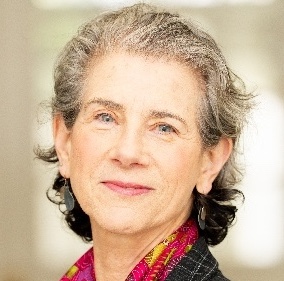
Lisa Lahey, Ed.D. is a Lecturer on Education, Harvard Graduate School of Education. She is also co-founder and co-director of Minds At Work, a consulting group that works with senior leaders and teams in corporations, government and non-profits. Lahey is the author of Immunity to Change: How to Overcome it and Unlock the Potential in Yourself and Your Organization with Robert Kegan, and How The Way We Talk Can Change the Way We Work with Robert Kegan.
Spotlight session #2:
Thursday, May 28, 2026
9-11 am Los Angeles / 12-2 pm New York / 6-8 pm Berlin
Restoring Flow: The Trauma-Informed Practitioner’s Stance
with Jennifer Cohen & Gina LaRoche
In this session, we will explore what it means to be trauma-informed across individual, team, and collective contexts, including the distinction between being a trauma-informed practitioner and doing trauma processing—grounding in a clear sense of our role, scope, and limits. During the session, we will:
Begin together with co-regulation practices that can be brought directly into client spaces.
Engage the “Seven Stones” through a trauma-informed lens, including how to embody these values and navigate ruptures within systems.
Look directly at racialized trauma. Every group has been racialized in some way; understanding how this shapes individual experience, team dynamics, and culture is essential to trauma-informed practice.
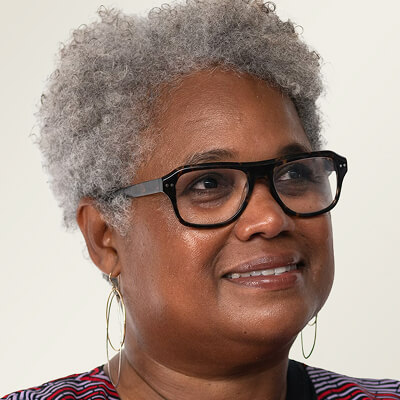
Gina LaRoche is an organizational leadership consultant, facilitator, and executive coach, with 25 years of experience in delivering executive programs that have challenged leaders, teams, and entrepreneurs to accelerate change and results.

Jennifer Cohen is a seasoned leadership and organizational coach and consultant with over 30 years of experience. Throughout her career, she has coached hundreds of individuals and groups, specializing in guiding leaders to excel in environments characterized by uncertainty and rapid change.
Spotlight Session #3:
tuesday, JUNE 23, 2026
9-11 am Los Angeles / 12-2 pm New York / 6-8 pm Berlin
Supporting Mission-Driven Public and Social Sector Leaders
with Kyle Dietrich
This session examines how trauma-informed principles apply in frontline public sector and social impact work. Service-oriented leaders carry not only organizational stress, but moral responsibility, vicarious trauma, sustained adaptive pressure, and identities that are often under threat.Together, we will explore and build capacity around:
- Understanding service as an identity and the unique challenges mission-driven leaders face of balancing service of others with service of self
- Strategies for reframing service as an expression of embodied consciousness and emphasizing that the quality of an intervention depends on the interior condition of the intervenor
- Examining how emotions, empathy, and moral injury shape leadership behavior in mission-driven organizations
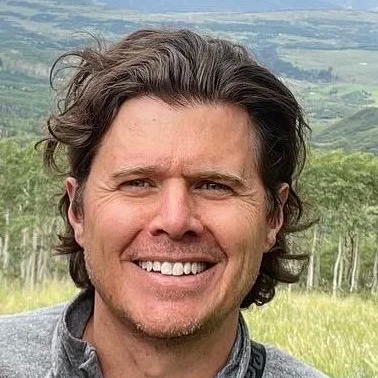
Kyle Dietrich is a leadership advisor, coach, and social entrepreneur with more than 25 years of experience in international development and humanitarian work, including senior roles at USAID, the United Nations, and several NGOs. He is the founder of Grounded Idealist.
Recorded Presentations from Guest Experts
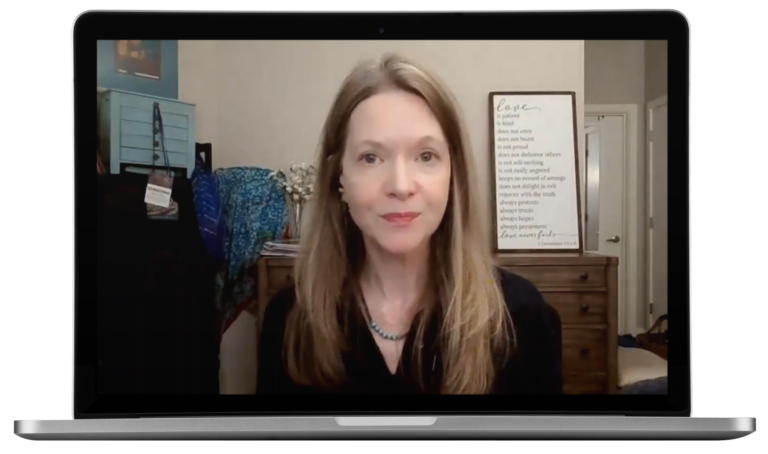
Recorded teachings from renowned experts in trauma, organizational development, and collective dynamics. These talks add greater depth and context to the program’s central themes.
- Dr. Christina Bethell, Professor, Johns Hopkins University, Relational Systems Change Agent: Trauma-Informed Organizational Transformation
- Dr. Dan Siegel, Executive Director of Mindsight Institute: Practical Applications of Interpersonal Neurobiology
- Dr. Michelle Brody, Executive Coach and Clinical Psychologist: Trauma-Informed Approaches to Team Dynamics
- Zander Grashaw, Author, Artist, Founder & CEO of Adaptive Leadership: Implementing Adaptive Change in Organizations and Communities
- Bob Anderson, Chief Knowledge Officer and Founder of Leadership Circle: The Psychology and Science of Leadership Development
PROGRAM SUMMARY
Foundations of Trauma-Informed Coaching & Consulting
-
8 Live Sessions with Thomas Hübl & Amy Elizabeth Fox
Each 2-hour session includes teaching, guided practice, and live Q&A. Two sessions will include case consultations, where Thomas and Amy will work directly with real coaching and consulting challenges drawn from the group. -
Spotlight Sessions
Three additional 2-hour live sessions led by guest facilitators exploring critical challenges coaches and consultants encounter in their practice. Led by Kyle Dietrich, Jennifer Cohen & Gina LaRoche, and Lisa Lahey, Ed.D. -
Peer Breakout Groups
Optional small-group breakouts after each course session to practice, reflect, and connect with colleagues from around the world. -
Bonus: Recorded Presentations from Guest Experts
Recorded teaching from experts and leaders in the fields of trauma, organizational development, and collective healing. -
Access to All Session Recordings
Video • Audio • Transcripts -
Certificate of Completion
Will be issued to those who meet the requirements for completion. This also meets the prerequisite for upcoming advanced training with Thomas and Amy launching in 2027.
Enroll Now
Choose Your Payment Option

This is the only time this course will be offered in a LIVE format at this special price.
Can’t attend the live sessions? All training is recorded
It’s not too late to enroll before our next live session on May 7.

Our Guarantee
We’re confident this program will be a valuable investment in your training and professional growth.
Join the Foundations of Trauma-Informed Coaching & Consulting program 100% risk-free.
If for any reason, you do not feel the program meets your needs, you may cancel your participation within 10 days of the course start date (by Wednesday, May 6, 2026)—and request a full refund. No refunds will be granted after that time.
— Thomas Hübl
“Every organization that wants to have high performance must consider how they can help people down regulate the level of stress that they’re carrying.”
— Amy Elizabeth Fox
Meet Your Faculty
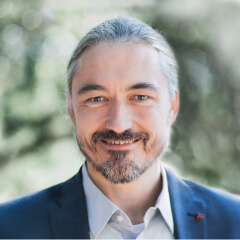
Thomas Hübl, PhD
Renowned teacher, author, and international facilitator who explores the intersection of consciousness, healing, and social systems. His unique approach integrates contemplative wisdom, contemporary science, and practical methods for working with individual and collective trauma. He is the founder of the Academy of Inner Science, where his work has been recognized by leading researchers, clinicians, and leaders across disciplines worldwide.
Since 2019, Thomas has taught workshops and presented trainings for Harvard Medical School, and is currently a visiting scholar at the Wyss Institute. In 2022, he received a PhD in Wisdom Studies from Ubiquity University.
Thomas is also the founder of The Pocket Project, a non-profit dedicated to addressing collective trauma globally. He is the author of Healing Collective Trauma and Attuned, and the co-author of Releasing Our Burdens: A Guide to Healing Individual, Ancestral, and Collective Trauma with Dr. Richard Schwartz.
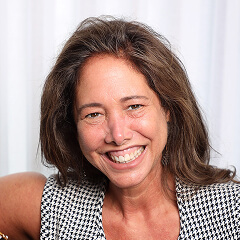
Amy Elizabeth Fox
Co-founder and the Chief Executive Officer of Mobius Executive Leadership, a global transformational leadership firm that she has led since 2005. For more than twenty years, she has advised senior leaders and organizations on leadership development, culture change, and organizational transformation—working extensively with professional services firms and Fortune 500 companies.
Mobius offers leadership programs, executive coaching, and immersive retreats, and includes a professional development arm, the Next Practice Institute. Amy regularly leads intensive multi-day leadership programs for senior executives and public sector leaders.
Amy is widely recognized for her work integrating trauma-informed development and psycho-spiritual principles into leadership education. In 2026, she co-authored Leading in Chaos with Nicholas Janni, exploring how leaders navigate complexity, uncertainty, and rapid change.
She holds a Master’s degree in Counseling from Lesley University and a BA in Psychology from Wesleyan University.
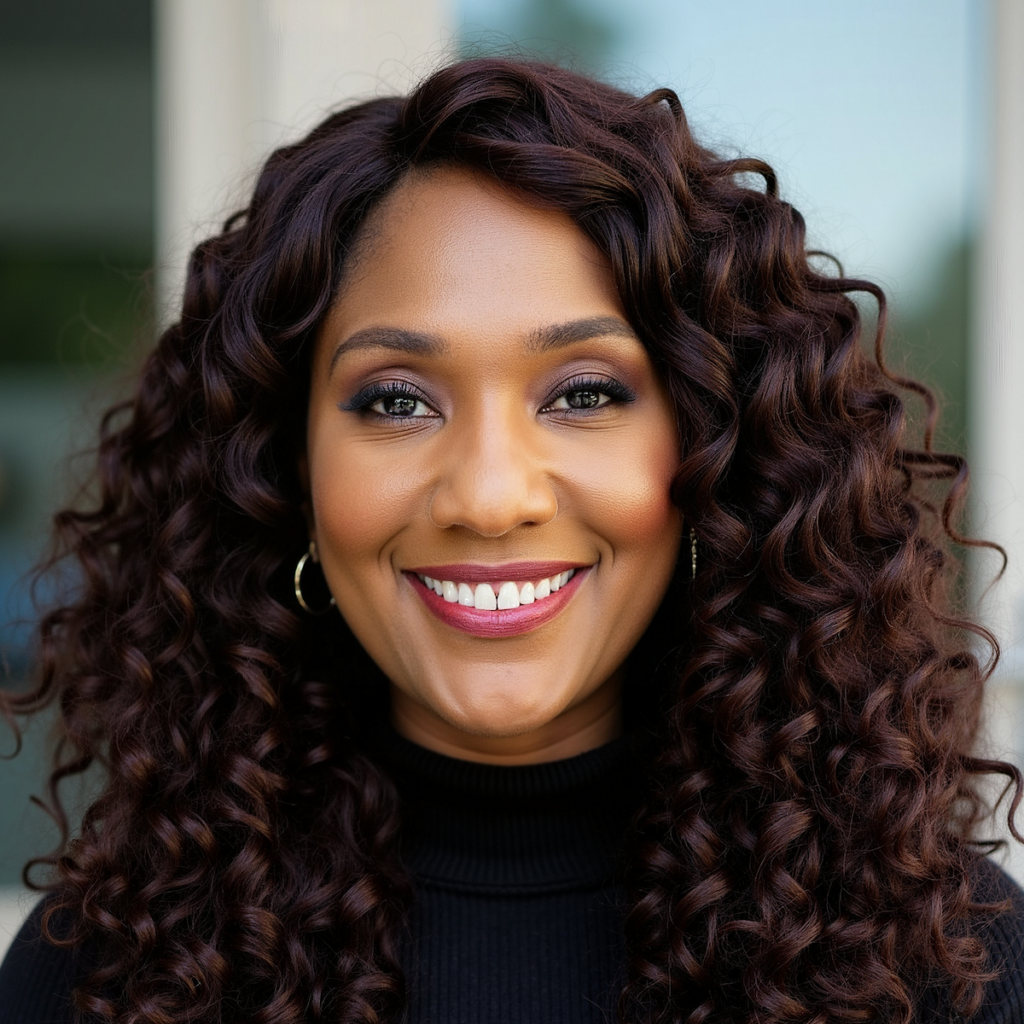
Karen Simms - Guest Faculty
Karen Simms, MAMFT, LMHC, LCPC is a facilitator, consultant, and coach with more than 30 years of experience supporting individuals, organizations, and communities in healing from trauma and cultivating resilience. Her work integrates clinical insight with relational and systemic approaches to addressing complex trauma.
Karen is the founder of Trauma & Resilience Initiative, Inc. (TRI), a nonprofit dedicated to promoting healing, resilience, and justice by helping communities and organizations become trauma- and equity-informed. She is also the founder of TRU Healing Solutions, where she provides consulting, facilitation, and coaching to support leaders and communities in building more connected, responsive, and healing-centered systems.
Karen will join Thomas and Amy as guest faculty for Course Session #6 and will facilitate two affinity group sessions for BIPOC participants.
What Students Say About Programs With Thomas and Amy
Frequently Asked Questions
No prior trauma training is required. This program builds foundational trauma literacy for working professionals. Participants who have an understanding of trauma concepts will find that the program deepens and applies that knowledge in new ways. What matters most is that you care about the quality and impact of your work with leaders and teams.
Yes. While the program is designed primarily for coaches, consultants, and facilitators, it is also relevant for HR professionals, organizational development practitioners, team interventionists, and others whose work involves supporting leaders and teams through change, conflict, or complexity. If your role brings you into the human dynamics of organizations, this program will be relevant.
No. This is a professional development program for coaches, consultants, and facilitators. The training develops your capacity to recognize and work with trauma dynamics in leadership and organizational contexts—not to provide therapeutic treatment. The boundary between coaching and therapy is addressed directly throughout the program, and maintaining that boundary is a core principle of trauma-informed practice.
To earn the Certificate of Completion, a participant must attend at least 4 live course sessions and watch the recordings of any sessions they did not attend live (the live attendance requirement may be waived for those who cannot attend live due to timezone differences or other special circumstance). The participant must also submit answers to reflection and self-assessment questions for each course session, within four (4) weeks of the final live session date.
Yes. We understand that financial and economic circumstances vary widely within our global community. To ensure the course is accessible to as many people as possible, there are a limited number of partial scholarships available for those with financial need. Please contact us for more information about how to apply.
An application has been submitted to the International Coaching Federation (ICF) to offer Continuing Coach Education credits (CCEs) for this course. The application is under review and an answer is expected in June. If credits are approved, then they will be available for students who complete the certificate requirements for the course.
This program will be held in English only.
If you have additional questions or need technical support, please contact our friendly Customer Support Team for help.
We’re confident this program will be a valuable investment in your education, personal growth, or therapeutic practice. If for any reason you decide to withdraw, simply contact our Customer Support Team within 10 days of the course start date, and we’ll give you a full refund, no questions asked.
Please note, you must make this request on or before Wednesday, May 6, 2026. No refund will be granted after that date.